
Why Morayfield Homes Outgrow Their Hot Water Systems
Morayfield's residential fabric is dominated by detached housing built during a concentrated growth period from the 1990s through the 2000s, when the corridor between Caboolture and Brisbane's northern edge expanded rapidly. The Morayfield Shopping Centre and the surrounding retail and service corridor grew alongside it, and the suburb settled into its current character: family-oriented, car-dependent, and comparatively affordable relative to the coast.
That development history creates a distinctive hot water pattern. Because so many homes were completed within a narrow window, their original hot water systems were installed within a few years of each other and are now reaching the end of their service life more or less simultaneously. It is why replacement work here is disproportionately common relative to the age of the suburb.
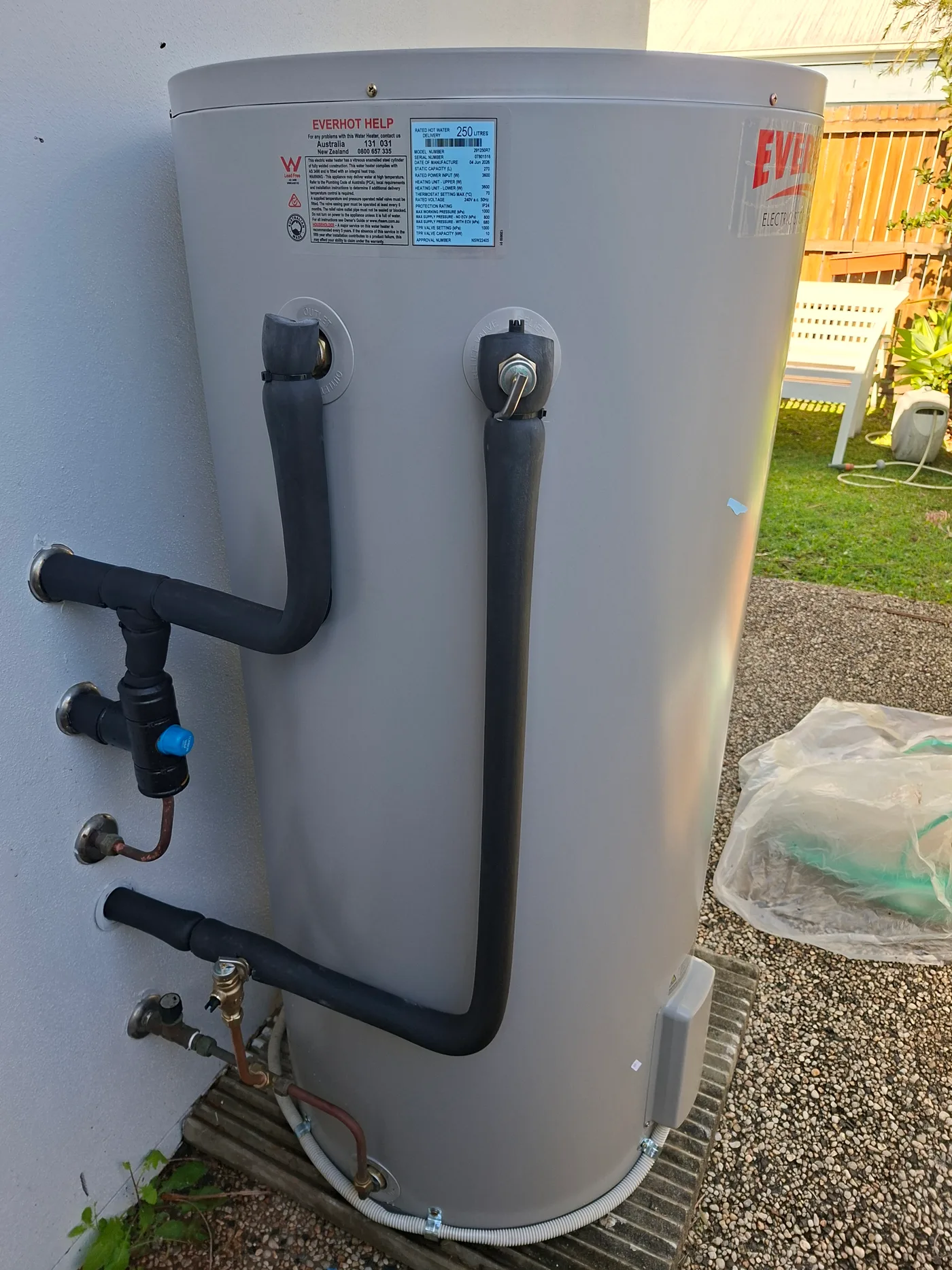
The bigger issue is household growth. Morayfield records larger average household sizes than the coastal suburbs, and many of these homes have since added a bathroom or converted a space. A storage system specified for the original household simply cannot serve five people showering across a ninety-minute morning window, and the symptom (running out, not breaking down) is a capacity problem that replacing like-for-like will not solve.
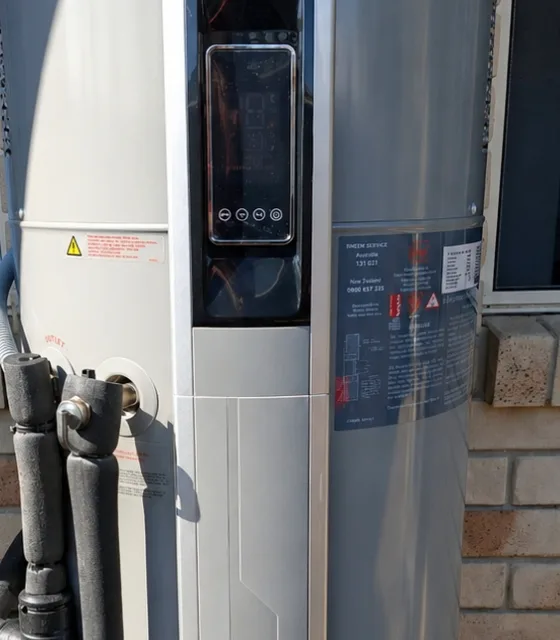
Energy supply gives Morayfield an advantage the northern hinterland lacks: reticulated natural gas reaches parts of the area, which makes gas continuous flow a genuine option rather than a theoretical one. Where it does not reach, a heat pump is usually the better economic answer over resistive electric storage.
RCM Hot Water sizes against actual peak demand, verifies gas availability at the address, and completes system changes under one licence set, so hot water systems in Morayfield are upgraded to suit the household that lives there now.